
PRACTICAL GUIDANCE FROM A TEAM THAT DESIGNS, BUILDS, AND CAREs
Landscaping Tips and Resources for Rhode Island Homeowners
Our GrandScapes blog provides landscaping resources, lawn care tips, seasonal landscape advice, outdoor living inspiration, and property care insights based on decades of hands-on experience serving homeowners throughout Rhode Island. From maintaining a healthier lawn to planning a more functional backyard, our goal is to give you helpful information you can actually use.


OUR BLOG
What You’ll Find Here
Landscape maintenance tips
to help protect the health and appearance of your property year-round
Seasonal guidance
on cleanup, mulching, aeration, fertilization, and lawn care
Outdoor living ideas
for patios, fire pits, walkways, driveways, and other features
Practical advice
from a team that understands Rhode Island properties, local conditions, and quality workmanship
If you have questions about your lawn, landscape, or outdoor living space, you’ll find practical guidance here.

Paver Patio Installation in Wakefield, RI: The Part You Cannot See
Base failure is what people are describing when they say a patio has gone wrong, and paver patio installation in Wakefield, RI stands or falls on what sits underneath the pavers. Pavers are the cheapest thing to replace and the most expensive to lift.
Everything that decides how a terrace performs in year ten was settled before the first unit was laid, which is why this article spends most of its length below grade.

Hardscape Contractors in Wakefield, RI: How to Vet One and What a Full Scope Includes
Comparing hardscape contractors in Wakefield, RI, is harder than it looks, because the part of the job that decides how long the work lasts is buried and invisible in every photograph.
Two patios that look identical on the day they are finished can behave completely differently after five South County winters, and the difference was settled before the first paver went down.
GrandScapes was founded in 1987. Nearly forty years of building in this part of Rhode Island has taught our crews which details matter here and which are marketing.

Irrigation System Installation in Wakefield, RI: Zone Design, Site Conditions, and What the Build Involves
A lawn that browns in patches by mid-July while the beds beside it stay soggy is rarely a watering problem. It is a design problem, and it usually traces back to the day the pipe went into the ground. Irrigation system installation in Wakefield, RI asks more of a contractor than trenching and gluing fittings, because South County properties sit on glacial soil, take salt air off the water, and draw on supply pressure that varies street by street.

When Professional Lawn Care and Lawn Mowing in Coventry, RI, Matters Most
With lawn care and lawn mowing in Coventry, RI, the difference between ordinary turf and a stunning, estate-worthy lawn isn’t luck — it’s expert care from a team that knows this climate, these soils, and what it takes to deliver year-round distinction. That’s where we at GrandScapes step in — calibrated expertise, consistent execution, and results that make neighbors pause and admire. A truly exceptional lawn doesn’t happen by accident; it’s the outcome of informed timing, professional execution, and a long-term view of turf health.

Walkway in South Kingstown & Charlestown, RI: Planning That Improves Everyday Access
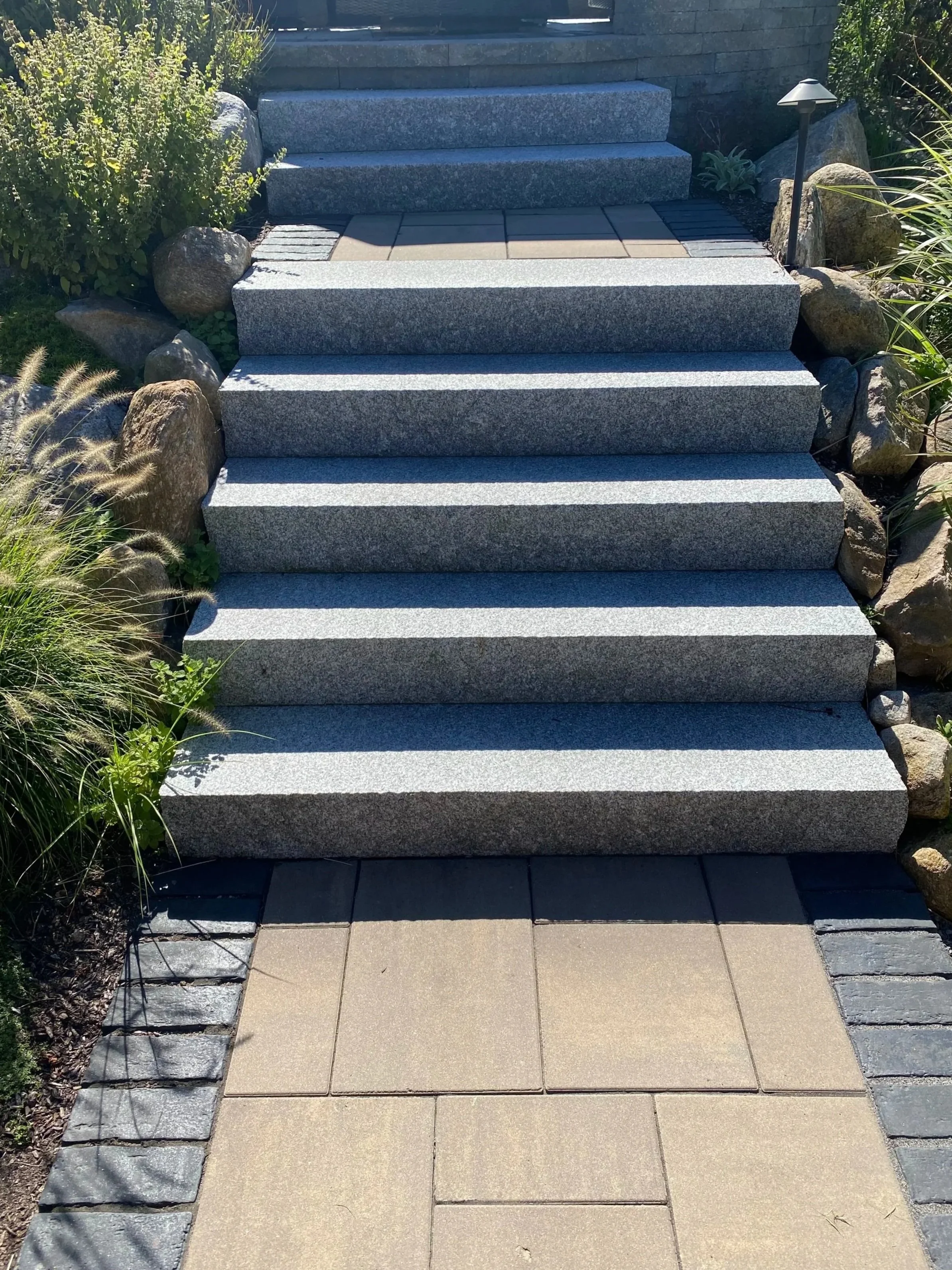
A well-planned walkway shapes how you move through your backyard and front yard, connects key spaces, and helps your outdoor areas feel more usable every day. Walkway upgrades in South Kingstown and Charlestown, RI, can improve access from the driveway to the front entry, define routes between outdoor living areas, and create smoother transitions across your landscape. The right layout makes movement easier in every season, while thoughtful materials and professional installation create a finished look that complements your home's style.

Lawn Mowing & Lawn Care in Coventry, RI: Understanding the Importance of Routine Service
Professional lawn mowing and lawn care in Coventry, RI, supports the long-term health and appearance of your backyard by ensuring each step is completed with expert precision. With our team handling every decision, you never have to question timing, technique, or what your turf needs. Homeowners benefit from a structured approach that considers grass type, soil conditions, seasonal transitions, and growth patterns. When professionals manage the entire process, your backyard becomes more consistent, more comfortable, and more enjoyable throughout the season.

10 Benefits of Expert Weeding Services in Newport and Middletown, RI
As a homeowner, keeping your landscape healthy and thriving can sometimes feel overwhelming. With weeding in Newport, RI, and Middletown, RI, our team of professionals handles every aspect of your backyard’s care, ensuring your plantings, walkways, and planting beds look their best. By entrusting this task to experts, you gain more than just a tidy space. Our team manages all planning, execution, and decision-making, giving you peace of mind and a backyard that feels polished and welcoming.

The Art of Crafting a Functional Walkway in North Kingstown and South Kingstown, RI
A walkway in North Kingstown and South Kingstown, RI, can be an experience. It can be the transition between your home and the natural world that surrounds it, a subtle but powerful design element that can completely redefine the rhythm and beauty of your landscape. In Rhode Island’s coastal towns, where salt air and seasonal weather shape both lifestyle and design choices, a thoughtfully crafted walkway is the thread that connects it all.

This Is What It's All For
Saturday morning, coffee in hand, stepping outside to a space that finally feels settled. The tree you planted years ago, offering shade where there used to be nothing. A good landscape isn’t about perfection. It’s about a place that fits your life and continues to grow with it.
Thoughtful design and professional installation, tailored to your property.
Consistent care that keeps your landscape healthy and usable.
Follow real projects from first conversation to finished space.