Walkway in South Kingstown & Charlestown, RI: Planning That Improves Everyday Access
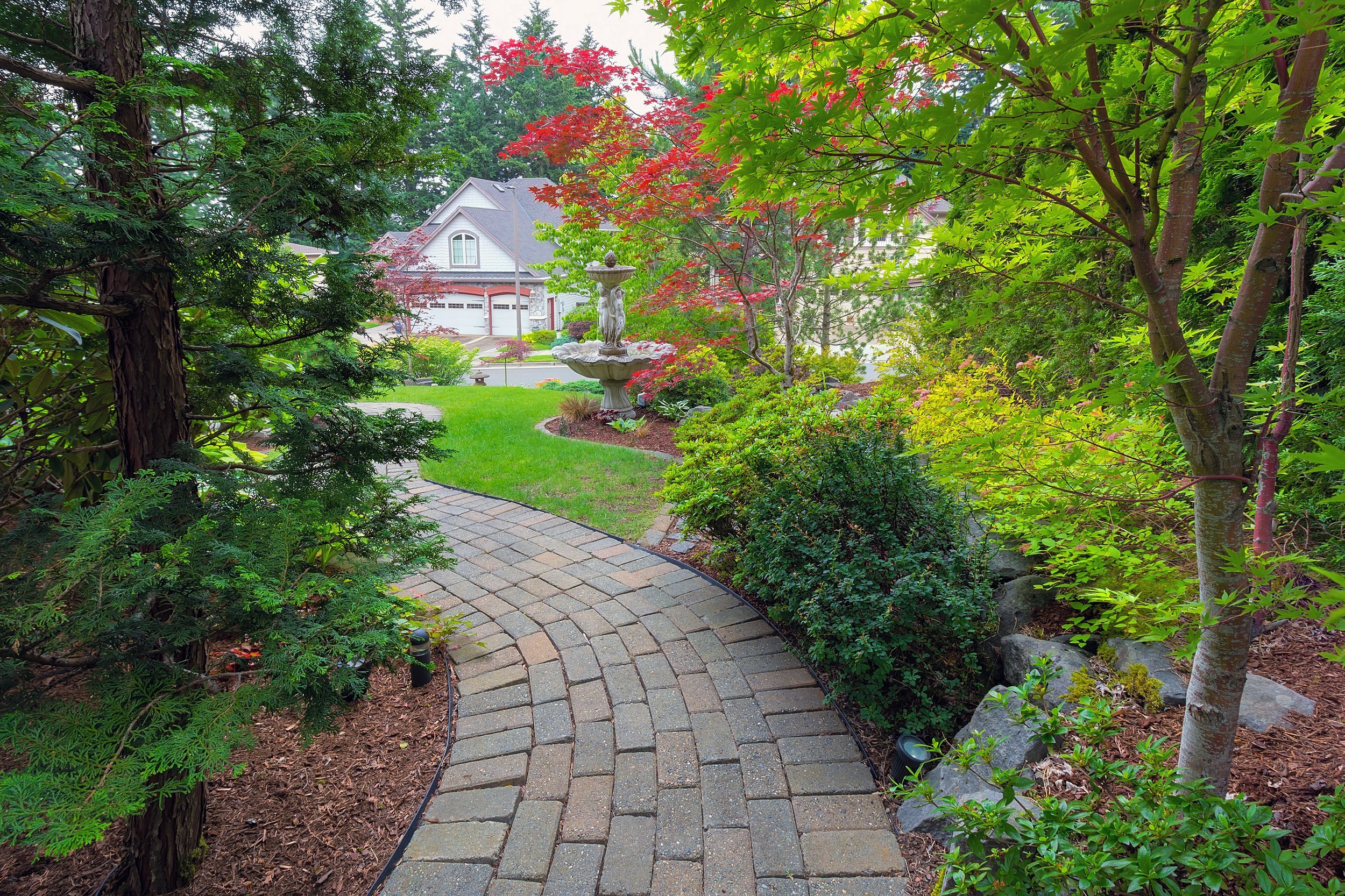
A well-planned walkway shapes how you move through your backyard and front yard, connects key spaces, and helps your outdoor areas feel more usable every day. Walkway upgrades in South Kingstown and Charlestown, RI, can improve access from the driveway to the front entry, define routes between outdoor living areas, and create smoother transitions across your landscape. The right layout makes movement easier in every season, while thoughtful materials and professional installation create a finished look that complements your home's style.
Related: The Art of Crafting a Functional Walkway in North Kingstown and South Kingstown, RI
Why Walkway Planning Matters More Than Most Homeowners Expect
A walkway may seem like a simple feature, but it influences how your property feels every time you arrive home, step outside, or move between outdoor areas. A walkway is not only a route from one place to another. It helps organize the landscape, defines how you enter and leave different spaces, and supports ease of movement for daily routines.
If a walkway is too narrow, awkwardly placed, or poorly graded, it can feel inconvenient and difficult to use. If it is poorly aligned with entryways, patios, or outdoor gathering areas, it can look disconnected from the rest of the landscape. When planning is done professionally, the walkway feels natural. It guides you where you want to go without feeling forced. It supports the layout of your outdoor spaces and creates a sense of cohesion across your property.
We approach walkway planning as part of a broader landscape design strategy. We evaluate how you use your outdoor spaces, where you need the most reliable access, and how the walkway should connect each area. From there, we determine the best layout, width, material, and construction method so your walkway supports everyday access and feels like it belongs.
How A Walkway Improves Everyday Access In The Front Yard And Backyard
Every day access is about convenience. It is the ability to move through your front yard and backyard with ease, without stepping over uneven terrain or navigating awkward transitions. A walkway supports access by creating a consistent route across your landscape.
In the front yard, a walkway often connects the driveway to the front entry. It also connects the front entry to the sidewalk, front steps, or side yard access points. When these routes are clear and direct, your home feels more welcoming and functional.
In the backyard, a walkway connects outdoor living areas. It can connect a patio to a seating area, link a pergola to a fire pit space, or provide a clear route to an outdoor kitchen. It can also guide movement around planting beds and help separate different zones of the backyard, without relying on grassy paths that become less reliable during wet seasons.
We plan walkways with these daily needs in mind. The goal is to create a route that feels comfortable and intuitive, with transitions that support how you move through the landscape every day.
How We Decide The Best Walkway Layout For Your Property
The best walkway layout is not based on what looks good in a catalog. It is based on how you move through your property and what you need the walkway to support.
We begin by evaluating where the walkway should start and end. In a front yard, that usually includes the driveway, front entry, and sidewalk access. In a backyard, it might include the patio, a side-entry garage, an outdoor kitchen, a fire pit, or other gathering areas.
We also evaluate the slope and grade of your property. A walkway needs to sit correctly within the landscape, which means understanding where water flows, where slopes are steep, and where transitions between levels need to be handled with steps or gentle grading.
From there, we determine the width that fits your home and your needs. Walkways that serve a primary route to the front door often benefit from a wider design that feels welcoming and comfortable. Walkways connecting backyard zones may vary depending on how frequently they are used and whether they need to accommodate multiple people walking together.
Finally, we determine whether the route should be direct or gently curved. Direct walkways often feel clean and structured. Curved walkways can feel more relaxed and can help the route flow with planting beds and landscape features. The best choice depends on your home's style, your property's layout, and how you want the route to feel.
Walkway Materials That Support Everyday Use And Design Quality
Walkway materials affect both performance and appearance. A walkway should feel stable, comfortable underfoot, and consistent in how it transitions between spaces. It should also fit the architecture of your home and the design style of your landscape.
We recommend materials based on the look you want, the structure needed for your property, and how the walkway will be used.
Concrete Pavers For Walkways
Concrete pavers are one of the most popular walkway materials because they offer design flexibility, consistent performance, and a wide range of styles. Pavers can be installed in different patterns, colors, and textures to match the look of your home and outdoor features.
Paver walkways also allow for defined edges and clean transitions between planting beds, lawns, and patios. They work well for both front yard and backyard routes, especially when you want a refined look that complements patios and other hard surface features.
Natural Stone Walkways
Natural stone creates a classic, high-end look and blends naturally with plantings. Natural stone walkways can be built using flagstone, bluestone, or other stone options, depending on the regional availability and design goals.
Natural stone is often chosen when you want the walkway to feel more organic and timeless. It can also be used to create strong focal routes, especially in front entry walkways where the approach to the home is a key part of the landscape experience.
Brick-Style Pavers And Traditional Walkway Looks
Some homeowners want a more traditional walkway appearance, often inspired by older architectural styles. In those cases, brick-style pavers can create the look of traditional brick while offering the performance of modern paver materials.
We select materials that match your home’s style and the surrounding landscape so the walkway feels cohesive rather than mismatched.
Gravel Walkways In Select Landscape Designs
Gravel walkways can work well in specific landscape designs, particularly when the goal is a more natural route through planting beds or around backyard zones. However, gravel requires careful installation and edging to stay contained and perform well.
We recommend gravel when it fits the design goals and the property layout supports it. We also ensure the base and edging are installed professionally so the route feels stable and consistent.
Related: Elegant Driveway and Walkway Designs for Your South Kingstown, RI Home
Why Base Preparation Matters In Walkway Construction
The most important part of walkway construction is what you do not see. Base preparation determines how stable the walkway feels and how well it holds its shape over time. Without proper base preparation, walkways can shift, develop uneven areas, or feel inconsistent underfoot.
We handle all excavation and base preparation professionally. That includes removing the correct amount of soil, installing a compacted base layer, and ensuring the walkway surface is properly leveled and graded.
Proper base preparation also supports drainage. Walkways must be built with slope considerations so water moves away from the surface and does not collect. This is especially important in regions that experience freeze and thaw cycles.
Our team handles grading and drainage planning so your walkway supports everyday access and remains comfortable to use.
How Walkways Improve Access Between Outdoor Living Features
Outdoor living features are more enjoyable when they feel connected. A patio, pergola, fire pit, and outdoor kitchen can each be strong features, but they feel more functional when there is a clear walkway connecting them.
We design backyard walkways to connect outdoor zones in a way that feels natural. This can include routes that guide you from the patio to a fire pit space, routes that connect an outdoor kitchen to dining areas, or routes that lead to seating areas tucked into planting beds.
The goal is to create flow. Instead of walking across grass routes or stepping through planting beds, you have clear access that supports how you use the backyard.
What Are Some Creative Walkway Ideas?
Creative walkway design starts with how the route supports everyday access and how it fits the style of your home and landscape. The most effective ideas are not complicated. They are intentional. We design walkways that feel natural to use while adding detail that makes the space feel more finished and cohesive.
One creative approach is to use gentle curves that follow the planting bed edges rather than forcing a straight line through the front yard. Curves can slow the pace as you approach the entry and create a more welcoming flow, especially when paired with layered plantings along the route. Another option is widening the walkway at key points, such as near the front steps or where the route connects to a patio. A wider landing creates space for two people to walk side by side and makes transitions feel more comfortable.
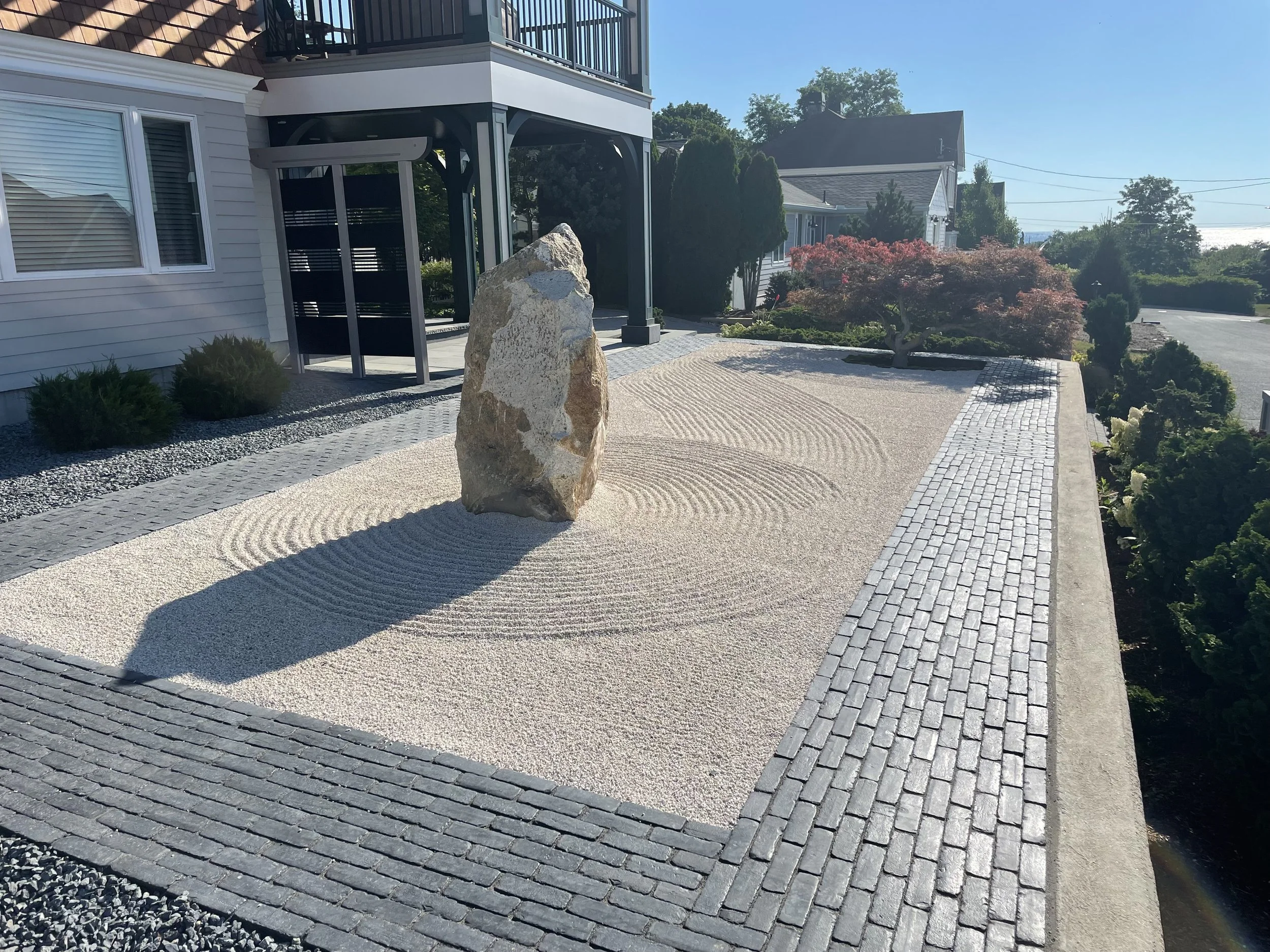
Material pattern is another way to create a distinct look. A running bond pattern can feel classic, while a herringbone pattern creates movement and a more detailed surface. Borders can also elevate the design. A contrasting edge color or a different texture along the walkway's perimeter helps define the route and creates a clean transition to the planting beds. For homeowners who want more character, a banding detail down the center of the walkway can create a custom look without overwhelming the landscape.
We also recommend designing walkways with intentional connections to outdoor living features. A front yard walkway can extend to a side entry, driveway access point, or a backyard route so the property feels unified. In the backyard, a walkway can connect a patio to a fire pit or pergola, creating a clear flow between gathering spaces. Our team evaluates how you use each area, then designs the route, layout, and materials so the walkway supports comfort and everyday access without feeling like an afterthought.
What Is The Most Popular Paver Color?
The most popular paver color is a blend of neutral tones such as grays, soft browns, and warm charcoal mixes. These colors work well because they complement a wide range of home exteriors and landscape styles. They also create a timeless foundation that pairs well with natural stone accents, plantings, and other hard surface features.
Gray tones are especially popular because they feel clean and modern without looking overly trendy. They often pair well with white or light-colored trim, darker siding, and natural stone features. Warm blended tones, including tan and brown, are also widely used because they feel natural in residential landscapes and work well with traditional home styles. Charcoal and darker blends can create strong definition, especially when the goal is a walkway that feels more structured and refined.
We recommend a paver color based on your home’s exterior materials, the surrounding landscape, and how the walkway connects to other features, such as patios, steps, or driveway edging. The goal is a walkway that feels cohesive rather than disconnected. Our team makes final recommendations, selects paver styles that support everyday use, and installs the walkway with professional base preparation and precise alignment, ensuring the finished surface feels stable, comfortable, and visually consistent.
Walkway Features That Elevate Comfort And Usability
A walkway can include additional design features that improve usability and comfort. These features are selected based on your property layout and how you use the space.
Walkway edging helps define the route and creates a clean transition to planting beds. Steps and landings can support elevation changes. Wider approach areas near entryways can create a more welcoming feel.
Our team guides these decisions and designs the walkway as part of the larger landscape plan. This ensures every element supports everyday access rather than adding unnecessary complexity.
Related: 7 Reasons to Prepare Your Property for Winter with Professional Fall Cleanup in Westerly, RI